In this guide
Why I Flew Out to Shoot the Desert
Every session I book is in Charleston or the DMV, and almost every one of those sessions has a person in front of the lens. That is the job, and I love it. But it also means I go long stretches without pointing a camera at anything that cannot pose for me. In December I spent a few days in Phoenix with no client, no shot list, and no deadline. I wanted to see what my eye does when the subject cannot move on cue and the only thing directing the shot is the light itself.
Arizona in December runs about 82 degrees during the day, which after a Charleston winter felt like a different planet. I walked Papago Park, drove the switchbacks up toward Camelback, and spent long stretches just sitting still waiting for a cloud to move or the sun to drop another few degrees. No portrait client will ever give you that kind of patience. The desert does not care if you are ready.
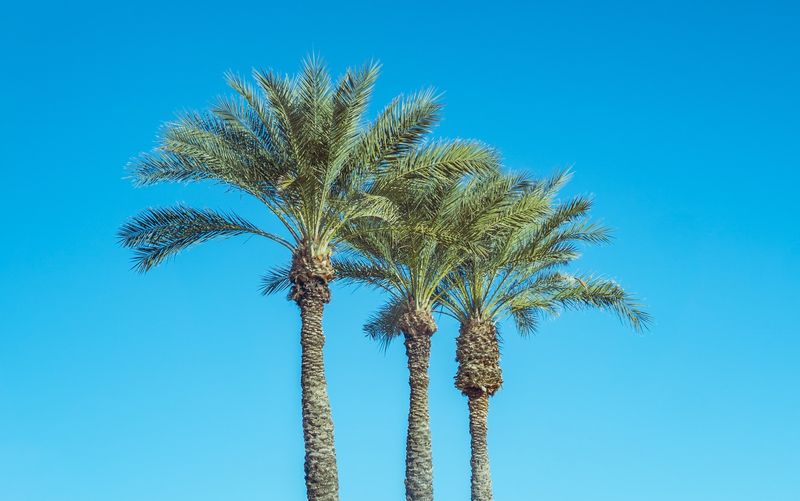
Papago Park and the Red Rock
Papago Park sits right in the middle of the Phoenix metro, which makes it an odd and useful location. You get the sandstone buttes that Arizona is known for, saguaros growing straight out of the rock, and a downtown skyline sitting hazy in the background all in the same frame. Most desert landscapes ask you to drive an hour outside the city to find that kind of texture. Papago Park hands it to you a few minutes from the airport.
I shot the buttes from an overlook trail in the late morning, when the haze was still soft enough to give the skyline some depth instead of washing it out completely. The red rock formations photograph best with something in the foreground for scale, whether that is a cactus, a scrub bush, or the trail itself curving toward the buttes. Without a foreground anchor, red rock against blue sky reads as flat no matter how good the color is.
What surprised me about Papago Park is how much the light changes the rock's color through the day. Midday it reads a dusty tan, almost the same shade as the dirt trail. By late afternoon it shifts to a real rust red as the sun angle drops and rakes across the stone. If you only have one window to shoot there, take the one closer to sunset.
Photographing Saguaros
The saguaro is the state's defining subject, and it took me a full day of shooting to understand why photographers keep coming back to it. Every saguaro is shaped differently. Some grow arms low and wide, some stay a single spike for decades, some lean at an angle that looks almost intentional. You are not photographing a generic cactus. You are photographing a specific, individual plant that took upward of seventy years to grow its first arm.
My favorite frame from the whole trip is a saguaro caught backlit near sunset, arms raised, with the light rimming the spines in gold. I shot it from low and slightly underneath so the cactus is silhouetted against open sky with nothing competing behind it. That negative space is doing as much work as the subject. A cluttered background turns a striking cactus into a busy landscape shot.
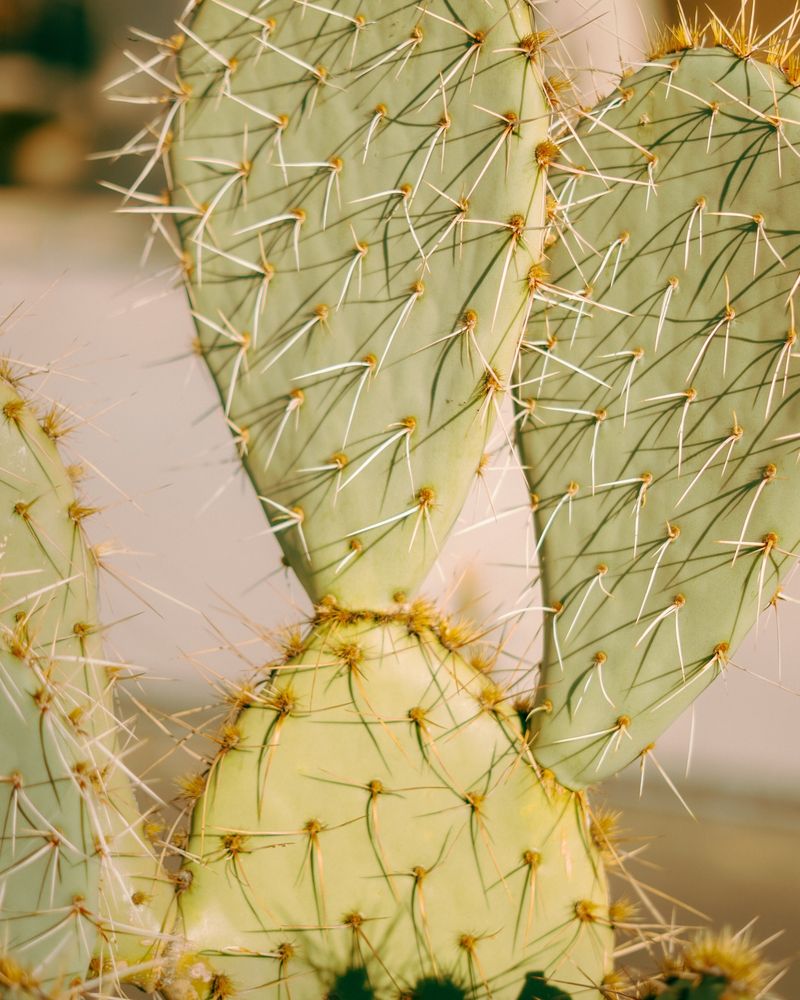
Not every saguaro shot needs to be a wide landscape frame. I shot a lot of macro work too, getting close on prickly pear pads and barrel cactus spines. At that distance the desert stops being a landscape and becomes a texture study. Every spine catches light differently, and the pattern of the pads reads almost architectural up close. If you only shoot wide, you miss half of what makes desert plants interesting.
Pro Tip: Respect the Plant
Saguaros are protected under Arizona's Native Plant Law. You cannot remove, damage, or climb one, and rangers do enforce it. Beyond the legal side, a mature saguaro can be well over a century old. Treat it the way you would treat any subject that took decades to become what it is. Shoot from a respectful distance and let a longer lens do the work of getting close instead of trampling the ground around it.
Working With Desert Light
Desert light does not behave like coastal light. There is almost no humidity to soften it, which means midday sun is genuinely harsh, high contrast, and unflattering for most subjects. I learned to treat the hours between about 11am and 3pm as texture and macro time, not landscape time. That is when I shot the prickly pear detail and got close on cactus spines, because hard light actually helps those shots by carving out shadow and definition.
Golden hour in the desert is a different story entirely. The lack of humidity means the light stays clean and warm without the haze you get in more humid climates, and it rakes across the terrain at a low angle that makes every ridge and cactus arm throw a long shadow. I shot palm fronds backlit against a fading blue sky during this window, catching the fronds edge-lit in gold while the sky behind them still held color.
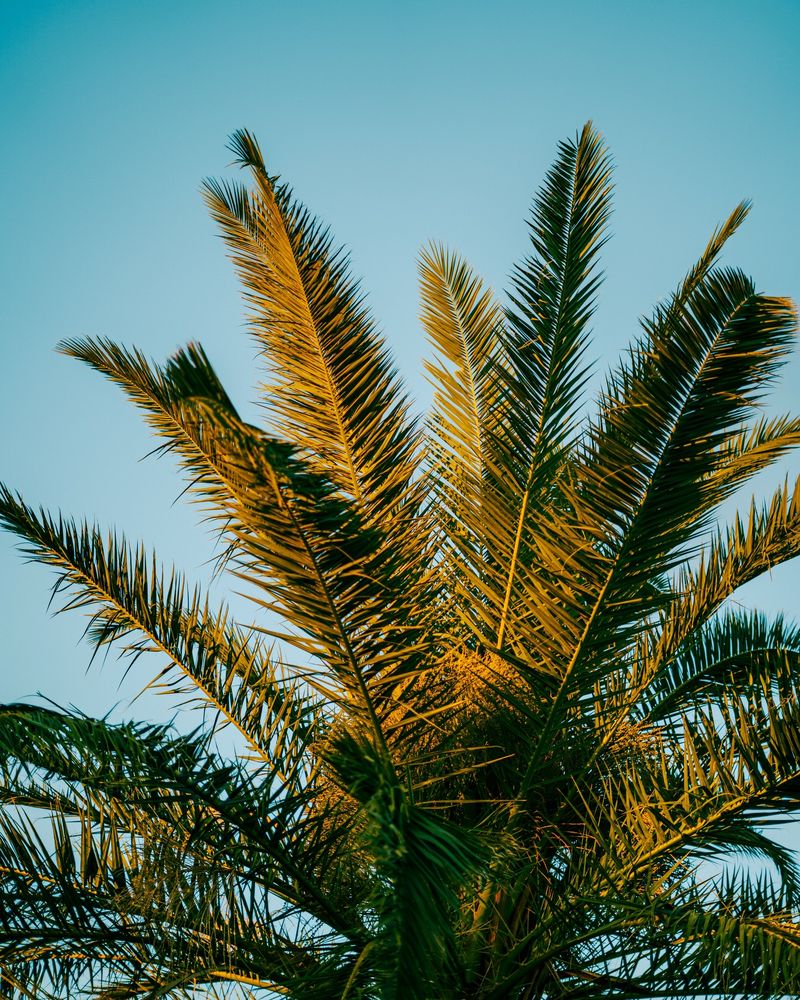
The desert does not soften anything for you. It hands you the light exactly as it is, and you either work with it or you don't.
Blue hour was its own reward. Right after sunset, before the sky goes fully dark, the light turns even and cool, and city architecture starts to pick up its own glow against a deepening sky. I shot a dome-roofed building near downtown during that window, the sky still holding a warm band of color low on the horizon while the building's lights had already switched on. That short window, maybe fifteen minutes, gave me one of the more unusual frames from the trip.
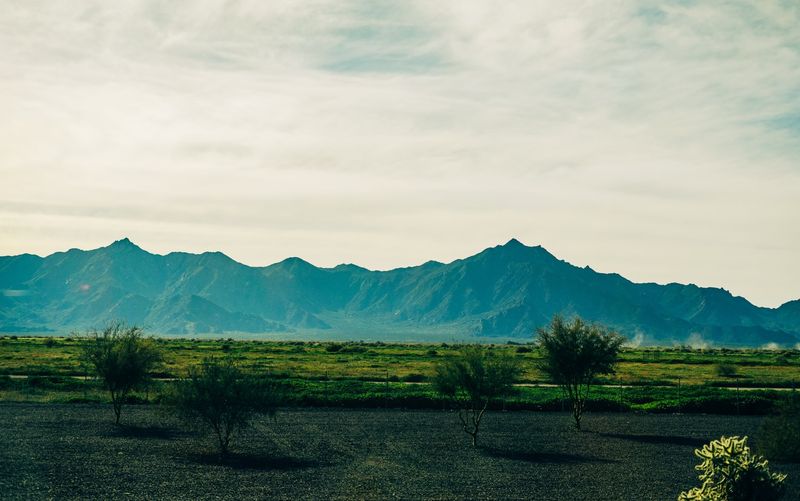
What a Landscape Trip Does for a Portrait Photographer
Almost everything I shoot professionally involves directing a person. Where to stand, how to turn their shoulders, when to relax their hands. A landscape has none of that. The saguaro is not going to give you a better angle if you ask nicely. You have to move yourself, change your distance, wait for the light, and figure out the composition entirely on your own terms. That is a completely different muscle than portrait work, and it is one that gets weak if you never use it.
What I brought back to portrait work after this trip is a sharper sense of negative space. Shooting saguaros against open sky forced me to think constantly about what surrounds the subject, not just the subject itself. I catch myself doing that more deliberately now on client shoots, watching the background as carefully as I watch the person in front of the lens.
If you are a photographer who only shoots one genre, take a trip that forces you into a different one. A desert landscape trip, a city street walk like my Philadelphia street photography day, or even a weekend in a neighborhood you have never shot before. The point is to remove your usual crutches and see what your eye does without them.
Gear for a Desert Trip
I kept the kit simple for this trip. One body, my Tamron 28-75mm for the wide landscape work, and a longer lens for the tight cactus and macro shots where I needed distance from the plant without losing detail. No flash, no reflector, no lighting gear of any kind. The desert light is either working for you or it isn't, and no amount of gear fixes bad light. You just wait, or you come back.
Sun protection matters more than people expect. I burned through more sunscreen and water in three days in Phoenix than I use in a month in Charleston, because the desert sun at altitude is stronger than coastal sun even when the temperature reads cooler. A hat, sunglasses you can shoot around, and enough water to last longer than you think you need are not optional if you are hiking trails for hours chasing light.
I also brought a lens cloth I used constantly. Fine desert dust gets on your gear in a way humid coastal air never does, and a dusty front element will show up as haze in every backlit shot. Wipe down before every golden hour session, not after you notice the problem in post.
Frequently Asked Questions
What is the best time of year to photograph the Arizona desert?
Late fall through winter, roughly November through February, gives you the most comfortable shooting conditions and the softest light. Daytime temperatures stay mild, the air is clearer, and the sun sits lower in the sky for more of the day, which means longer golden hour windows. Summer in Phoenix regularly hits well over 100 degrees, and the midday light is harsh and flat for most subjects.
Where are the best spots for saguaro cactus photography near Phoenix?
Papago Park is one of the most accessible, with saguaros growing right alongside the park's red sandstone buttes and a skyline backdrop. The trails on Camelback Mountain and Piestewa Peak put you above the city with saguaros silhouetted against the valley. South Mountain Park has some of the densest stands of mature saguaros in the Phoenix area if you want a wilder, less developed backdrop.
How do you photograph in harsh desert midday light?
Look for backlighting instead of fighting the overhead sun. Shooting toward the light around a cactus or plant edge creates a rim light that separates the subject from the background and turns harsh light into an asset. You can also shift to macro and texture shots during midday, where hard light emphasizes spines and surface detail, and save wide landscape shots for the hour after sunrise or before sunset when the light rakes across the terrain.
Do you need a permit to photograph in Papago Park or on Camelback Mountain?
Personal and editorial photography on public trails and in city parks around Phoenix does not require a permit. Commercial shoots involving models, lighting equipment, or anything that blocks trail traffic may need a permit through the City of Phoenix Parks and Recreation Department. Saguaros are also protected under Arizona's Native Plant Law, so climbing on or damaging one for a photo is both harmful and illegal.
How does travel photography help you grow as a photographer?
Travel photography forces you out of familiar locations and lighting conditions. You adapt to new environments quickly, find compositions in unfamiliar terrain, and work with whatever light is available instead of relying on scouted spots. It builds versatility, expands your portfolio beyond your home market, and keeps your creative eye from going on autopilot.
Book a Portrait or Location Session
I shoot portrait and event sessions in Charleston and the DMV, and I bring the same eye for light and composition to every location, familiar or not. Check out my portfolio to see the range of my work, or book a session.
If you are in the DC, Maryland, or Virginia area, visit my DMV portrait photographer page for packages and availability. Travel sessions are available by request for locations well beyond Charleston and the DMV.