What Is Shutter Drag and Why Does It Create Such Unique Images?
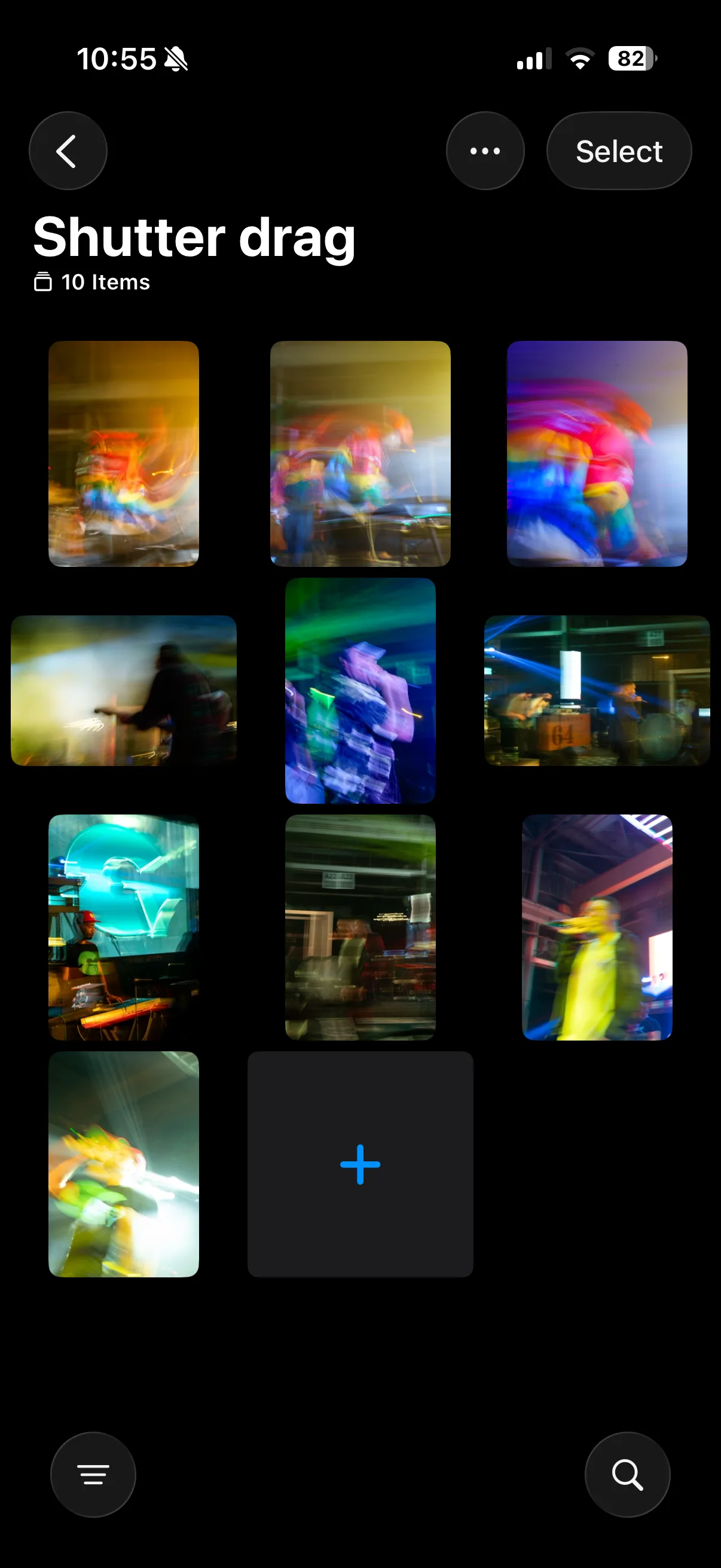
Most portrait photography is about sharpness. Clean focus, fast shutter speed, freeze the moment. Shutter drag throws that out. You slow the shutter down, let the ambient light streak and blur, fire a flash to freeze your subject in the middle of all that motion, and you end up with something that looks like energy captured in a single frame.
I shot this session on January 11, 2026 in a bar in Charleston. Neon signs on the walls, colored LED strips behind the bar, low ambient light, and people moving. That is the perfect environment for shutter drag. The neon becomes streaks of color. The movement becomes texture. The flash freezes the subject so they are sharp while everything around them blurs into this vibrant, chaotic background that you cannot replicate in Photoshop.
This is not a technique you use on every shoot. It is a creative tool for specific situations, mainly nightlife, events, concerts, and styled sessions where you want images that feel alive and different from everything else in your portfolio. Here is exactly how I do it, what settings I use, and how to know when this technique is the right call.
What Camera Settings Do You Need for Shutter Drag Portraits?
Shutter drag is a balancing act between four variables: shutter speed, aperture, ISO, and flash power. Get one wrong and you either blow out the image, underexpose it, or lose the motion blur effect entirely. Here is the breakdown.
Shutter speed: 1/8 to 1/2 second. This is the core of the technique. A normal portrait might be shot at 1/200 or faster. For shutter drag you drop that down to 1/8, 1/4, or even half a second. The slower the shutter, the more motion blur you capture. I started this session at 1/8 and moved to 1/4 as I got comfortable with the room. Anything slower than 1/2 second and you risk too much blur on the subject even with flash.
Aperture: f/5.6 to f/8. You might think you want to shoot wide open at f/2.8 to let in more light, but in a dark bar with a slow shutter and a flash, you will overexpose everything. Stopping down to f/5.6 or f/8 gives you a sharper subject, controls the flash exposure, and lets the ambient light trails stay colorful without blowing out. The stopped-down aperture also gives you more depth of field, which helps keep the subject sharp when there is slight movement during the exposure.
ISO: 100 to 400. Keep it low. The flash is your main light source and the slow shutter is already letting in plenty of ambient light. High ISO will blow out the light trails and add noise to the dark areas. I shot most of this session at ISO 200.
Flash: rear curtain sync, manual power. This is the piece that makes the whole thing work. Rear curtain sync tells the flash to fire at the end of the exposure instead of the beginning. That means the camera records all the motion blur first, then the flash fires and freezes the subject as the last thing recorded. The result is motion trails that appear behind the subject, which looks natural and intentional. Front curtain sync does the opposite and it looks wrong. Always rear curtain for shutter drag.
Flash power depends on your distance to the subject and your aperture. I was shooting with an on-camera speedlight at about 1/8 to 1/4 power for most of this session. Close enough for the flash to light the face and chest, far enough that the power did not overpower the ambient light trails in the background.
How Do You Actually Execute a Shutter Drag Shot?
Knowing the settings is one thing. Executing the shot in a crowded bar with music playing and people moving is something else. Here is how I work through a shutter drag session in real time.
First I find my position. I look for a background with the most colorful or interesting light sources. Neon signs, LED strips, bottles backlit on a bar shelf, string lights. Those are what will become the streaks of color in the final image. I position myself so those lights are directly behind or around my subject.
Next I set my exposure for the ambient light. Before I even turn on the flash, I take a test shot at my target shutter speed and aperture. I want the ambient to be slightly underexposed, maybe one stop dark. That way when the flash fires, the subject is properly lit and the background trails are colorful but not blown out.
Then I add the flash. One test shot with the subject standing still. Check the exposure on the face, adjust flash power if needed. Once the subject is properly exposed by the flash, I am ready to introduce motion.
The motion can come from three places: the subject moving, the camera moving, or both. For this session I used a combination. Some shots I had the subject stay still while I twisted or tilted the camera during the exposure. That creates smooth, circular light trails around a sharp subject. Other shots I had the subject dancing or turning while I kept the camera steady, which gives you a blurred body with a flash-frozen face at the end of the movement. And some shots I moved the camera and the subject moved simultaneously, which creates the most chaotic and energetic results.
The key is that the flash freezes whatever is happening at the moment it fires. With rear curtain sync, that moment is the very end of the exposure. So the last position of your subject is what gets frozen sharp. Everything before that is blur and light trails.
Why Are Bars and Nightlife Venues the Best Locations for Shutter Drag?
Shutter drag needs two things: darkness and colored light. Bars and nightlife venues give you both without any setup on your part. You walk in and the environment is already designed for this technique.
The darkness matters because it gives you control. In a bright environment, a 1/4 second exposure would flood the sensor with light and blow everything out. In a dark bar, that same 1/4 second exposure only picks up the neon signs, the LED strips, and the accent lighting. The rest falls to black or deep shadow, which gives you clean separation between the light trails and the dark negative space.
The colored light matters because it makes the trails visually interesting. White light streaks look flat and clinical. But when you have red neon, blue LEDs, warm tungsten bar lights, and green beer signs all in the same frame, the motion blur becomes a rainbow of color that fills the background with energy. Every bar has a different light palette, which means every location gives you a different look without changing anything about your technique.
Charleston's bar scene on King Street and Upper King has plenty of options. I have shot shutter drag at venues with heavy neon, at rooftop bars with string lights and city skyline behind, and at concert venues with stage lighting that changes color every few seconds. Each one gives you something different. If you have seen my college event photography work, some of those shots use shutter drag on the dance floor with DJ lighting, and the results are some of the most requested images from those events.
Pro Tip: Practice the Camera Twist Before You Shoot a Client
The camera twist during exposure is what creates those smooth, circular light trails. But it takes practice to get consistent. Before a paid session, go to a bar or any location with colored lights and practice twisting the camera 90 degrees during a 1/4 second exposure. You want a smooth, controlled rotation, not a jerky snap. Practice with a friend or even a bottle on a table as your subject. Once you can consistently get clean circular trails with a sharp flash-frozen center, you are ready to use this technique on clients.
How Do You Edit Shutter Drag Photos for Maximum Impact?
The editing on shutter drag images is different from standard portrait retouching. You are not trying to make things look clean and polished. You are trying to amplify the energy that the technique already created in camera.
I start in Lightroom with the basics. Bump the vibrance and saturation slightly to make those neon color trails pop. Increase contrast to deepen the blacks and make the light trails stand out against the dark background. I usually add a slight dehaze to cut through any flare from the flash bouncing off particles in the air, which is common in bars and clubs.
For the subject specifically, I use a local adjustment brush to brighten the face and add clarity. The flash-frozen subject should be the sharpest and brightest part of the image. If the face is muddy or underexposed, the whole image falls apart because the viewer has nowhere to land. I also reduce noise on the subject's skin since flash at close range can emphasize texture in unflattering ways.
I leave the light trails mostly untouched in terms of sharpness. They are supposed to be blurry. Trying to sharpen them or add clarity to the streaks defeats the purpose. The contrast between the sharp subject and the blurred light is what makes the technique work visually.
Color grading is the final step. I usually push the highlights toward warm tones and the shadows toward cool blue or teal. This creates color separation between the flash-lit subject, which picks up the warm shift, and the ambient background, which goes cooler. That split toning adds a cinematic quality that elevates the image from a cool technique shot to something that feels intentional and polished.
When Should You Use Shutter Drag Instead of Traditional Photography?
Shutter drag is not for every situation. It is a specialty technique that works in specific contexts. Knowing when to pull it out and when to leave it alone is what separates intentional creative work from gimmicky shots.
Nightlife and bar events. This is the natural home for shutter drag. The environment is already dark with colored lights. People are moving, dancing, socializing. The energy of the room matches the energy of the technique. I use shutter drag for a portion of every nightlife event I shoot because the images stand out in the gallery and they are the ones clients share most on social media.
Concert and music photography. Stage lighting is constantly changing color, artists are moving, and the crowd is in motion. Shutter drag captures all of that in a single frame. Some of my most dynamic concert shots use this technique because it conveys what it actually felt like to be there, not just what it looked like. If you want to see how I approach event photography in Charleston, that page shows the range of techniques I use including shutter drag.
Creative portrait sessions. If a client specifically wants something artistic and different, a styled shutter drag session in a bar or downtown at night gives them images that nobody else in their feed has. These are the portfolio pieces, the images that get attention because they look like nothing else.
When not to use it. Do not use shutter drag for corporate headshots, family portraits, weddings during the ceremony, or any situation where the client expects clean, traditional images. The technique calls attention to itself. In contexts where the moment should be the focus, shutter drag becomes a distraction. Read the room, read the client, and choose the technique that serves the image, not your ego.
Frequently Asked Questions
What is shutter drag in photography?
Shutter drag is a technique using a slow shutter speed, typically 1/8 to 1/2 second, combined with a flash to create motion blur in the background while keeping the subject sharp. The flash freezes the subject and the slow shutter allows ambient light and movement to streak and blur around them. It is commonly used in nightlife, event, and creative portrait photography.
What camera settings do you use for shutter drag portraits?
Start with a shutter speed between 1/8 and 1/2 second, aperture at f/5.6 to f/8, and ISO at 100-400. Use rear curtain sync on your flash so the motion blur trails behind the subject. Adjust flash power to properly expose the subject while the slow shutter captures the ambient light trails. The exact settings depend on the venue's ambient light level.
What are the best locations for shutter drag photography?
Locations with colorful ambient light in dark environments work best. Bars with neon signs, nightclubs with LED lighting, concert venues with stage lights, and downtown streets at night with signage and city lights. The key is having multiple colored light sources at different positions so the motion blur creates vibrant, varied streaks.
What is rear curtain sync and why does it matter for shutter drag?
Rear curtain sync fires the flash at the end of the exposure instead of the beginning. This means the motion blur trails appear behind the subject in the direction of movement, which looks natural. Front curtain sync fires the flash first and records motion afterward, creating blur in front of the subject that looks unnatural. Always use rear curtain sync for shutter drag.
Can you do shutter drag photography without an external flash?
You can use a built-in camera flash for basic shutter drag, but an external speedlight gives you more control over power, direction, and sync mode. An on-camera speedlight bounced off a ceiling produces softer light. Off-camera flash with a wireless trigger gives the most creative options. For consistent professional results, an external flash is worth the investment.
Want Creative Portraits That Stand Out?
Whether it is shutter drag in a downtown bar, a golden hour session on the beach, or a styled shoot in the studio, I bring creative techniques to every session that match the mood and the moment. If you want portraits that look different from everything else, let's talk about what we can create. Check out my portfolio to see the full range of my work or reach out to book a session.
I shoot creative portraits, events, and nightlife across both Charleston and the DMV area. If you are planning a night event and want a photographer who knows how to work in low light with techniques like shutter drag, that is what I do. Visit my Charleston event photography page for more details.